India
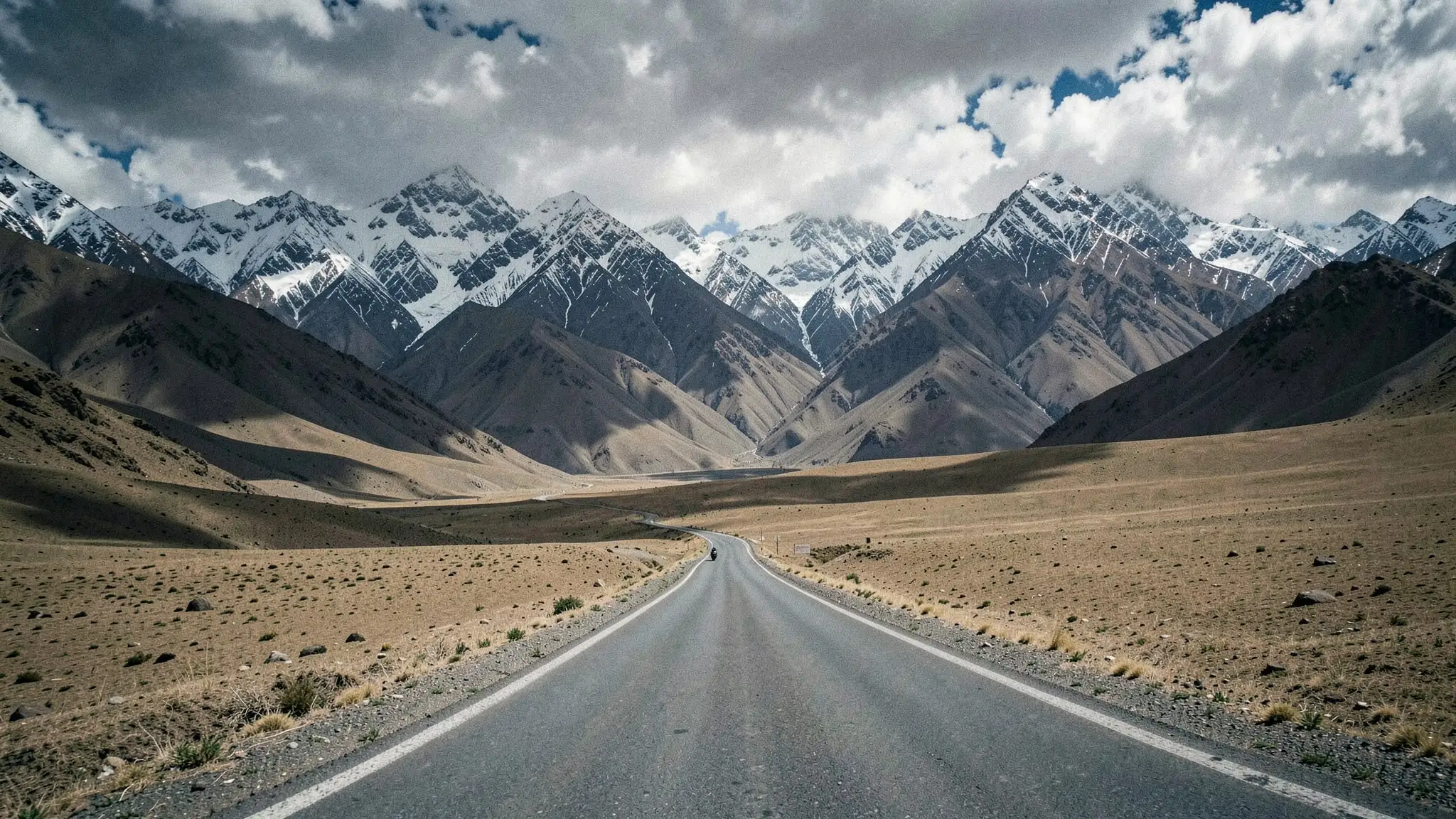
Ladakh, high and wide open.
A high-altitude desert of monasteries, salt-blue lakes and passes above 5,000 metres.
Trans-Himalaya, India
Thin air, endless sky.
Ladakh is India’s high-altitude desert in the trans-Himalaya, centred on Leh at about 3,500 metres. June to September is the main season, when the mountain highways open and the valleys are at their most accessible, and Delhi to Leh is about 1 hour 20 minutes by air. Plan a full rest on arrival: acclimatisation is part of the itinerary, not a delay.
International visitors need an Indian visa (see our visa checklist), and some areas need permits for certain travellers. Book a morning flight to Leh, build in the rest day, and make sure your travel insurance covers high altitude. Travelling with elders? Our family travel planning paces days gently.
Altitude and acclimatisation
Arrive slowly, then go higher.
A flight lifts you from the plains to about 3,500 metres in under 90 minutes. The body needs time to adjust to thinner air, so the first two days in Leh are for rest, whatever your fitness.
- Delhi Where most journeys start
- Nubra Valley (Diskit, Hunder) Slightly lower than Leh
- Leh Where you acclimatise
- Pangong Tso Overnight stays are high
- Tso Moriri Remote and higher still
- High passes such as Khardung La Crossed, not stayed at
Approximate elevations, rounded.
The first 48 hours
-
First 24 hours
Rest completely. Drink water regularly, eat light meals, avoid alcohol and smoking, and skip stairs and sightseeing.
-
24 to 48 hours
If you feel well, short, slow walks around Leh and monasteries reached by car. Stop and rest at the first sign of a headache.
-
After 48 hours
Only if you feel fully well, consider higher passes and lakes. Climb slowly, and sleep lower where the route allows.
Know the warning signs
Headache, nausea, dizziness, unusual tiredness and poor sleep are common early signs of acute mountain sickness. Breathlessness at rest, confusion, loss of coordination or a persistent cough are serious: descend and get medical help immediately.
General travel information, not medical advice. Speak to your doctor before travelling to high altitude, especially with a heart, lung or blood-pressure condition, during pregnancy or with young children. Check that your travel insurance covers the altitudes and activities you plan.
Sample itinerary
Four days, paced for altitude.
A gentle first trip that stays close to Leh and lets your body adjust before anything higher.
-
Day 1
Arrive and rest
Fly into Leh on a morning flight and do nothing else. Drink water, eat lightly, skip alcohol and let your body adjust to about 3,500 metres.
-
Day 2
Gentle Leh
If you feel well, a short, slow walk in the old town and an evening at Shanti Stupa for the view over the valley. Keep stairs and exertion to a minimum.
-
Day 3
Indus valley monasteries
By car to Thiksey for morning prayers, then Shey and Hemis. Little walking, plenty to see, and you stay at roughly Leh’s altitude.
-
Day 4
Sham valley
Drive west to Likir and Alchi’s painted temples, stopping at the Indus–Zanskar confluence. Add two or three nights if you want to continue to Nubra or Pangong.
Sample plan · This plan stays close to Leh on purpose. Higher lakes and passes come after you have acclimatised. Adjust it with ATLAS
Where to go
Valleys, lakes and high plateaus.
Leh is the hub. Everything else lies over a high pass or along a long valley road, so add nights rather than trying to see it all.
- 01
Leh & the Indus valley
Leh’s old town and palace, with Thiksey, Shey and Hemis monasteries a short drive along the Indus. Your base while you acclimatise.
First days, monasteries - 02
Sham valley
West of Leh and slightly lower: Likir, Alchi’s painted temples, Basgo and the Indus–Zanskar confluence near Nimmu.
Gentle first excursions - 03
Nubra Valley
Over a high pass north of Leh, with Diskit monastery, the sand dunes of Hunder and double-humped Bactrian camels.
Dunes, overnight trips - 04
Pangong Tso
A long, high lake that shifts from turquoise to deep blue through the day, reached over another high pass.
Lake views, one-night stays - 05
Hanle & Changthang
Remote plateaus of nomadic herders, the lake of Tso Moriri and the Hanle Dark Sky Reserve, India’s first.
Stargazing, wildlife, solitude
Monastery life
Monasteries that keep the valley’s time.
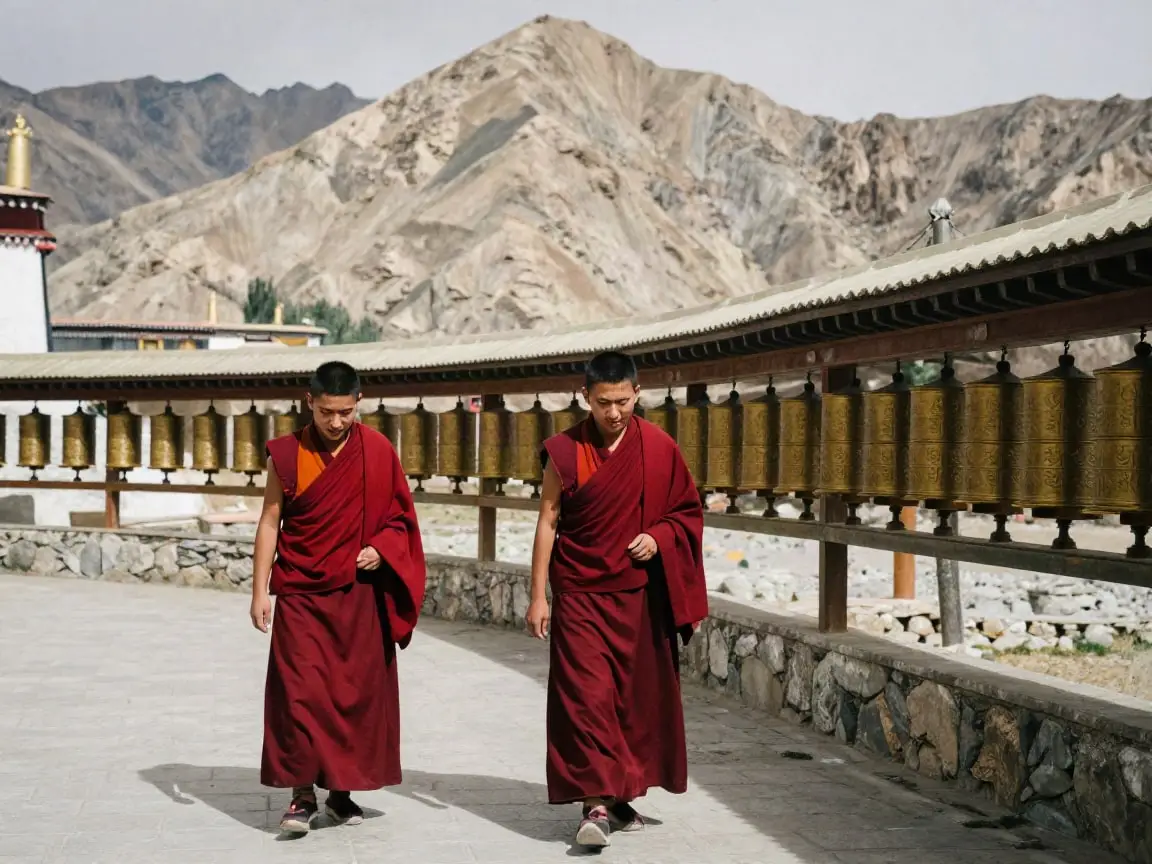
Ladakh’s gompas sit on ridges above the villages they have served for centuries, from Thiksey’s tiers of white buildings to Hemis in its hidden side valley. Days begin early with chanting, long horns and butter tea, and visitors are usually welcome to sit quietly at the back.
A few courtesies go a long way: walk clockwise around stupas, mani walls and prayer wheels, dress modestly, take off your shoes before entering prayer halls, and ask before photographing monks or ceremonies.
Experiences
Ladakh’s quiet marvels.
Ladakh rewards patience: early mornings in monasteries, long light on the lakes and very dark nights.
More experiences worldwide-
Morning prayers at Thiksey
Monks gather early for chanting and the sound of long horns, in a hilltop monastery often compared to the Potala Palace in Lhasa.
-
Stargazing at Hanle
In India’s first dark sky reserve, trained local guides share some of the darkest night skies in the country.
-
Alchi’s painted temples
Wall paintings around a thousand years old survive in the Alchi Choskor, one of the oldest monastic complexes in Ladakh.
-
Pangong Tso in changing light
Stay a night at the lake to watch it move from turquoise to steel blue as the sun crosses the sky.
-
The Hemis festival
Masked cham dances honour Guru Padmasambhava at Hemis each summer, on dates set by the Tibetan calendar, usually in June or July.
Beyond Ladakh
- Dubai Best: November to March ≈ 3.5–4 h from Delhi
- Bali Best: April to October (dry season) Usually one stop
- Japan Best: Late March to May; October to November ≈ 7.5–8 h from Delhi
- Maldives Best: December to April ≈ 1–1.5 h from Bengaluru
- Switzerland Best: June to September; December to March ≈ 8.5–9 h from Delhi
Ladakh FAQ
Ladakh, the practical side.
Do I need a permit for Nubra Valley or Pangong Tso?
Possibly, depending on who you are. Some areas of Ladakh, including Nubra, Pangong Tso, Tso Moriri and Hanle, require an Inner Line Permit or Protected Area Permit for certain travellers, particularly foreign nationals, and the rules for Indian citizens have changed more than once in recent years. Check the current official guidance from the Leh district administration before you go, carry original photo ID and keep copies of any permit.
How long should I rest in Leh before sightseeing?
Plan at least 24 to 48 hours of genuine rest after flying into Leh, at about 3,500 metres. Flying gives your body no time to adjust, so even fit travellers can feel headaches or breathlessness. Go higher, to the passes or lakes, only once you feel well at Leh’s altitude, and speak to your doctor before travel if you have a heart, lung or blood-pressure condition or are pregnant.
Can I drive to Ladakh instead of flying?
Yes, in season. The Srinagar–Leh and Manali–Leh highways usually open from late spring to autumn once snow is cleared, and each typically takes two days with an overnight halt. Driving lets you acclimatise more gradually, especially via Srinagar and Kargil, although the Manali route crosses several very high passes. Many travellers fly in and drive out.
Do mobile phones work in Ladakh?
Partly. Postpaid connections from major Indian networks generally work in Leh and along main routes, while prepaid connections from outside the region usually do not. Coverage is patchy or absent in remote valleys and at some lakes, so share your itinerary with family and expect to be offline at times.
Is Ladakh suitable for older travellers or young children?
It can be, with the right plan and medical advice first. Choose a slower itinerary with more nights in Leh, gentler excursions such as the Sham valley, and fewer nights at the highest lakes. Many hotels keep oxygen for emergencies, but it is not a substitute for medical care. Ask your doctor whether the altitude is suitable, particularly for infants, older travellers and anyone with an existing condition.
Plan Ladakh
Altitude first, adventure second. Plan Ladakh properly.
ATLAS builds the rest day in, sequences the high passes sensibly and flags which permits your group may need to check.