Worldlight

Follows your device

Sign in Design my journey
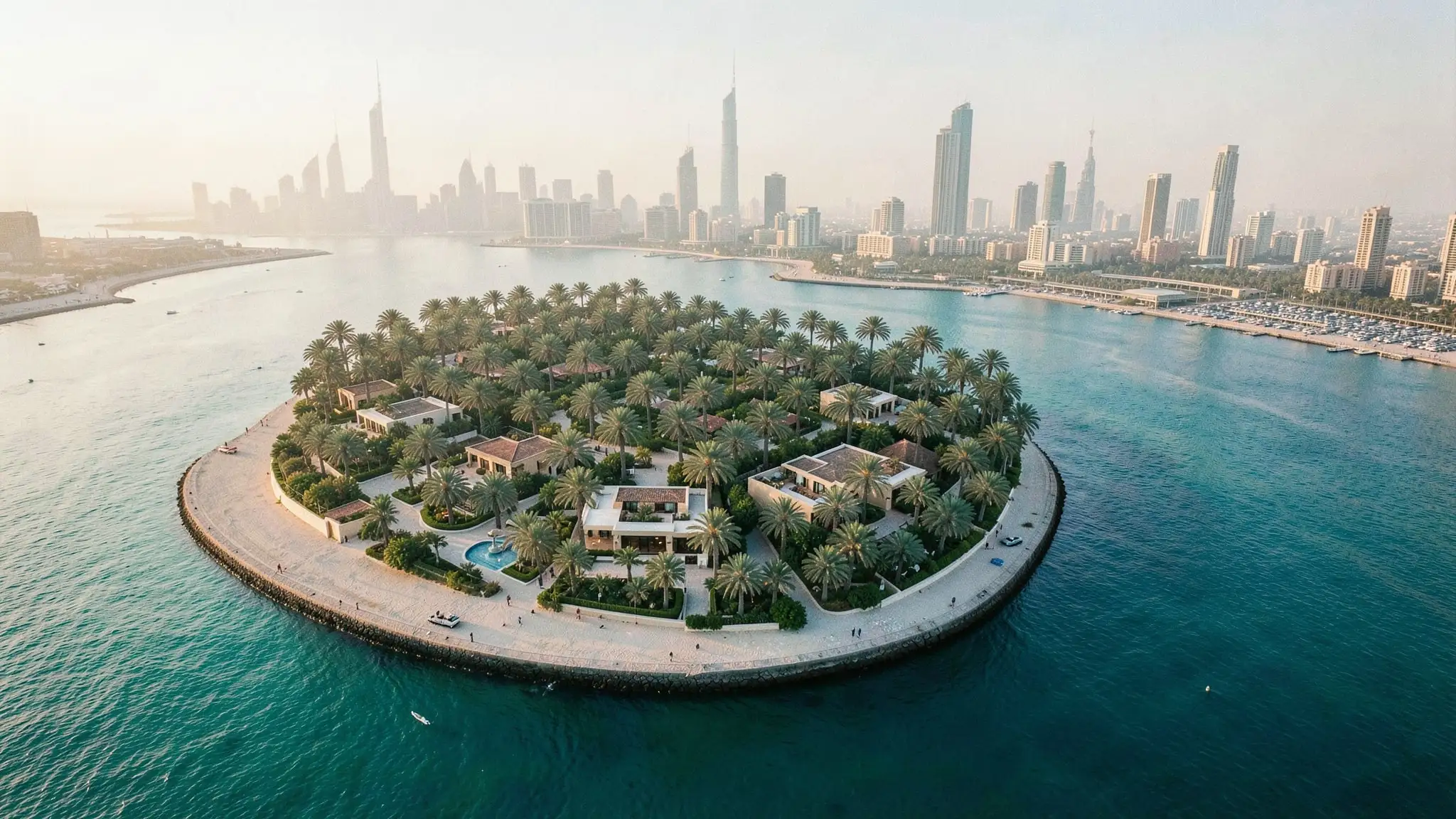
Aerial view of Dubai’s palm-shaped island at sunrise, villas lining its fronds and the city skyline in soft haze beyond

United Arab Emirates

Dubai, dune to skyline.

Creekside souks, a glittering skyline and silent dunes, all within an hour of each other.

Arabian Gulf

Creek, skyline and sand.

Dubai is a short flight from India that pairs a modern skyline with the older trading quarters along Dubai Creek and a desert that begins less than an hour from Downtown. The most comfortable months are November to March, when days are warm rather than fierce. Four days covers the old town, the landmarks and an evening in the dunes.

Entry rules vary by passport, so start with our visa checklist. Compare flights to Dubai from your nearest airport, then choose a stay in Downtown or by the Creek, depending on the trip you want.

Desert and city

Two Dubais, one easy day apart.

Most visitors split their time between the air-conditioned city and the open desert. They need different hours, clothes and transport, so plan them as two halves of the trip.

City Dubai

Best hours
Any time from November to March. In summer, early mornings and after sunset.
What to do
Burj Khalifa observation decks on timed tickets, the Dubai Fountain shows in the evening, the Museum of the Future, the Al Fahidi lanes and the Creek souks.
Getting around
Dubai Metro Red and Green lines, the Dubai Tram, taxis and ride-hailing. A Nol card covers metro, tram and buses.
What to wear
Light layers. Cover shoulders and knees in souks, heritage areas and mosques; malls are cool inside.

Desert Dubai

Best hours
Late afternoon into the night for dunes and stars; before dawn for balloon flights.
What to do
Dune drives, camel rides, falconry displays and a camp dinner. Hatta, in the Hajar Mountains, adds kayaking and hiking.
Getting there
A 4×4 pickup from your hotel. The conservation reserve is roughly 45–60 minutes from Downtown; Hatta about 90 minutes.
What to wear
Closed shoes, sunglasses and a scarf for blowing sand. Winter nights in the desert can be surprisingly cold.

Choose desert operators licensed for the Dubai Desert Conservation Reserve, where vehicle numbers are limited. For the transfer from the airport, see airport transfers.

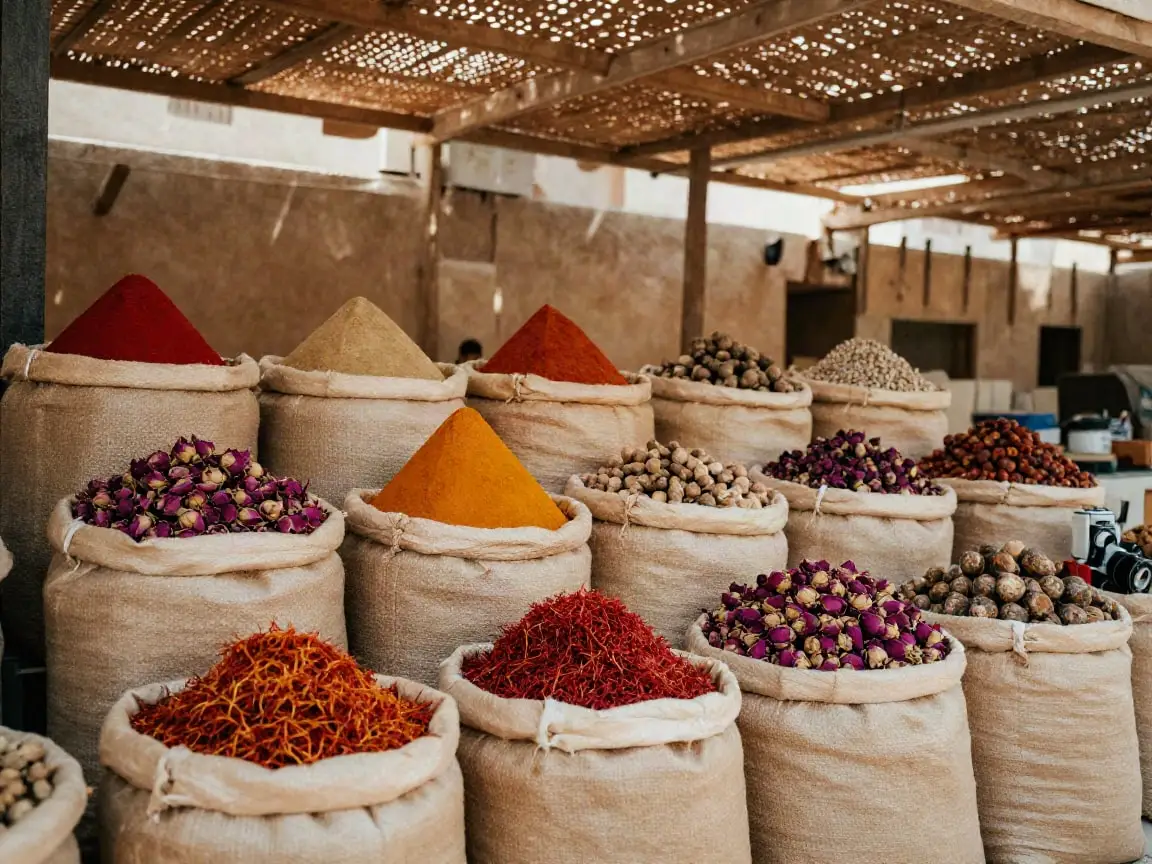
Sacks of saffron, dried roses and frankincense in a quiet Dubai spice souk under a wooden lattice roof

Old Dubai

Before the towers, a trading creek.

Dubai grew around its creek, a natural harbour where pearling boats and traders from Persia, India and East Africa once tied up. The Al Fahidi neighbourhood still has the coral-stone houses and wind towers, or barjeel, that cooled homes long before air conditioning.

Across the water in Deira, the spice souk sells saffron, dried limes, rose buds and frankincense by the scoop. Prices are open to friendly negotiation, and late afternoon, when the lanes cool and shopkeepers settle in, is the best time to wander.
Where to go

Five Dubais in one city.

Dubai stretches for kilometres along the coast, and each district has its own character. Stay near the metro or the area you will use most.

  1. 01

    Al Fahidi & Deira

    The wind-tower lanes of the Al Fahidi Historical Neighbourhood on one bank of the Creek, and Deira’s spice, gold and textile souks on the other, joined by wooden abras.

    Heritage, souks, street food
  2. 02

    Downtown Dubai

    Burj Khalifa, Dubai Mall and the Dubai Fountain, with Dubai Opera close by. Best explored on foot in the evening, when the fountain shows run.

    Landmarks, first visits
  3. 03

    Dubai Marina & JBR

    A waterfront of towers and promenades with the open public beach at Jumeirah Beach Residence, linked by the Dubai Tram.

    Beach days, walkable evenings
  4. 04

    Palm Jumeirah

    The palm-shaped island of resort hotels and private beaches, with a monorail along its trunk and views back to the Marina.

    Resort stays, families
  5. 05

    The desert & Hatta

    The Dubai Desert Conservation Reserve for dune drives and stargazing, and Hatta, in the Hajar Mountains, for kayaking, hiking and a quieter day.

    Nature, adventure

Sample itinerary

Four days, old town to open desert.

A short first visit that moves from the old trading quarter to the landmarks and out into the sand, with the hottest hours kept free.

  1. Day 1

    Old Dubai by water

    Start in the Al Fahidi Historical Neighbourhood, cross the Creek by abra and lose an afternoon in Deira’s spice and gold souks. Dinner at a creekside Emirati or Iranian restaurant.

  2. Day 2

    Downtown at golden hour

    A slow morning at the beach or pool, then the Museum of the Future in the afternoon. Book a Burj Khalifa observation deck slot near sunset and stay for the fountain shows below.

  3. Day 3

    Into the dunes

    Keep the morning easy. A 4×4 pickup in the afternoon heads into the desert for dune driving, a camel ride and falconry, with dinner and stargazing at a desert camp.

  4. Day 4

    Marina and home

    Walk the JBR beachfront or take a dhow cruise around the Marina, then a last stop at the Dubai Frame before an evening flight home.

Sample plan · In summer, move outdoor plans to early morning and after sunset. Adjust it with ATLAS

Experiences

Small moments, big city.

Beyond the observation decks: the small, local pleasures that make Dubai feel like a place, not a stopover.

More experiences worldwide
  • An abra across the Creek

    Wooden water taxis still carry commuters between Bur Dubai and Deira for a small cash fare. Five minutes on the water and the city’s oldest view.

  • Sunset in the conservation reserve

    Only licensed operators drive in the Dubai Desert Conservation Reserve, which keeps the dunes quieter than the desert edge closer to the city.

  • A dawn balloon flight

    In the cooler months, balloons lift off over the desert before sunrise for a long, silent view of the dunes, and sometimes oryx and gazelles below.

  • An old Dubai food walk

    Emirati breakfasts, Iranian bakeries and decades-old Indian and Pakistani kitchens in Deira and Karama, best with a local guide.

  • Hatta, the other Dubai

    Kayak the turquoise Hatta Dam reservoir and walk mountain trails in the Hajar range, roughly 90 minutes’ drive from the city.

Dubai FAQ

Before you fly to the Gulf.

What is the best time to visit Dubai from India?

November to March. Days are typically in the mid-20s °C, evenings are cool enough for the desert and outdoor dining, and it is the season for events and festivals. It is also the busiest and most expensive period, so book early for December and January.

How many days are enough for a first trip to Dubai?

Four to five days covers Old Dubai and the souks, Downtown and the Burj Khalifa, a beach day and a desert evening without rushing. Add a day for Hatta or a trip to Abu Dhabi, about 1.5 hours away by road, for the Sheikh Zayed Grand Mosque.

What should I wear when sightseeing in Dubai?

Light, breathable clothes, with shoulders and knees covered in the souks, heritage areas, government buildings and mosques. Swimwear is fine at hotel pools and beaches but not in malls or on the street. Carry a light layer: indoor spaces are strongly air-conditioned and desert nights in winter can be cool.

How do I get around Dubai without a car?

The Dubai Metro’s Red and Green lines link the airport, Deira, Bur Dubai, Downtown and the Marina, and the Dubai Tram serves the Marina and JBR. A rechargeable Nol card works on the metro, tram and buses. Taxis and ride-hailing are plentiful, and abras cross the Creek for a few dirhams.

Is Dubai worth visiting in summer?

It can be, if you plan around the heat. From June to September temperatures are often above 40 °C with high humidity, so outdoor sightseeing works only early in the morning or after dark. In return, hotel rates are usually lower and indoor attractions, malls and water parks are quieter.

Plan Dubai

Dune at dusk, skyline by night. Plan both.

Tell ATLAS your dates and who is travelling. It builds the flights, a well-placed stay and a desert evening into one Dubai plan.

ATLAS

InfiniaTrips' own travel AI

Opening ATLAS…

Your world settings

Local by instinct. Global by design.