East Asia
Japan, in its own time.
Shrines at dawn, bullet trains by noon and dinner served course by course on tatami.
East Asia
Precision with a soft heart.
Japan rewards travellers with precise trains, deep traditions and food worth planning around. Spring blossom (late March to early April in Tokyo and Kyoto) and autumn colour (roughly October to late November) are the classic seasons, and Delhi to Tokyo is about 7.5 to 8 hours non-stop. A first trip usually pairs Tokyo with Kyoto, linked by bullet train in a little over two hours.
Japan’s visa process depends on your passport, so begin with our document checklist. Pair flights into Tokyo with a ryokan or city hotel, and check that your insurance covers winter sports if you are heading to Hokkaido.
Where to go
Where to begin in Japan.
Most first trips follow the Tokyo–Kyoto–Osaka corridor, then add a mountain or coastal detour if time allows.
- 01
Tokyo
A city of distinct neighbourhoods: temple-side Asakusa, neon Shinjuku, fashion-led Shibuya and Harajuku, and the old lanes of Yanaka.
Food, design, first nights - 02
Kyoto
Around 1,600 temples, the wooden townhouses of Higashiyama, Gion’s teahouses and the bamboo groves of Arashiyama.
Heritage, gardens, ryokan stays - 03
Osaka & Nara
Osaka’s street-food districts and castle, with Nara’s great bronze Buddha at Todai-ji and its free-roaming deer under an hour away.
Street food, day trips - 04
Hakone & Mount Fuji
Hot-spring towns, lake cruises and, on clear days, views of Fuji, around 1.5 to 2 hours from Tokyo.
Onsen, mountain views - 05
Hiroshima & Miyajima
The Peace Memorial Park and Museum, and the great torii of Itsukushima Shrine a short ferry ride away.
History, reflection
Sample itinerary
Four brisk days, Tokyo to Osaka.
A compressed first taste of the classic route, built around early starts at the busiest sights.
-
Day 1
Old and new Tokyo
Begin at Senso-ji in Asakusa before the crowds, wander Ueno’s museums or Yanaka’s lanes, and end at Shibuya Crossing with dinner at an izakaya.
-
Day 2
Bullet train to Kyoto
Ride the Tokaido Shinkansen to Kyoto, a little over two hours on the fastest services. Spend the afternoon in Higashiyama, climbing to Kiyomizu-dera through lanes of tea and pottery shops.
-
Day 3
Gates at dawn, bamboo by noon
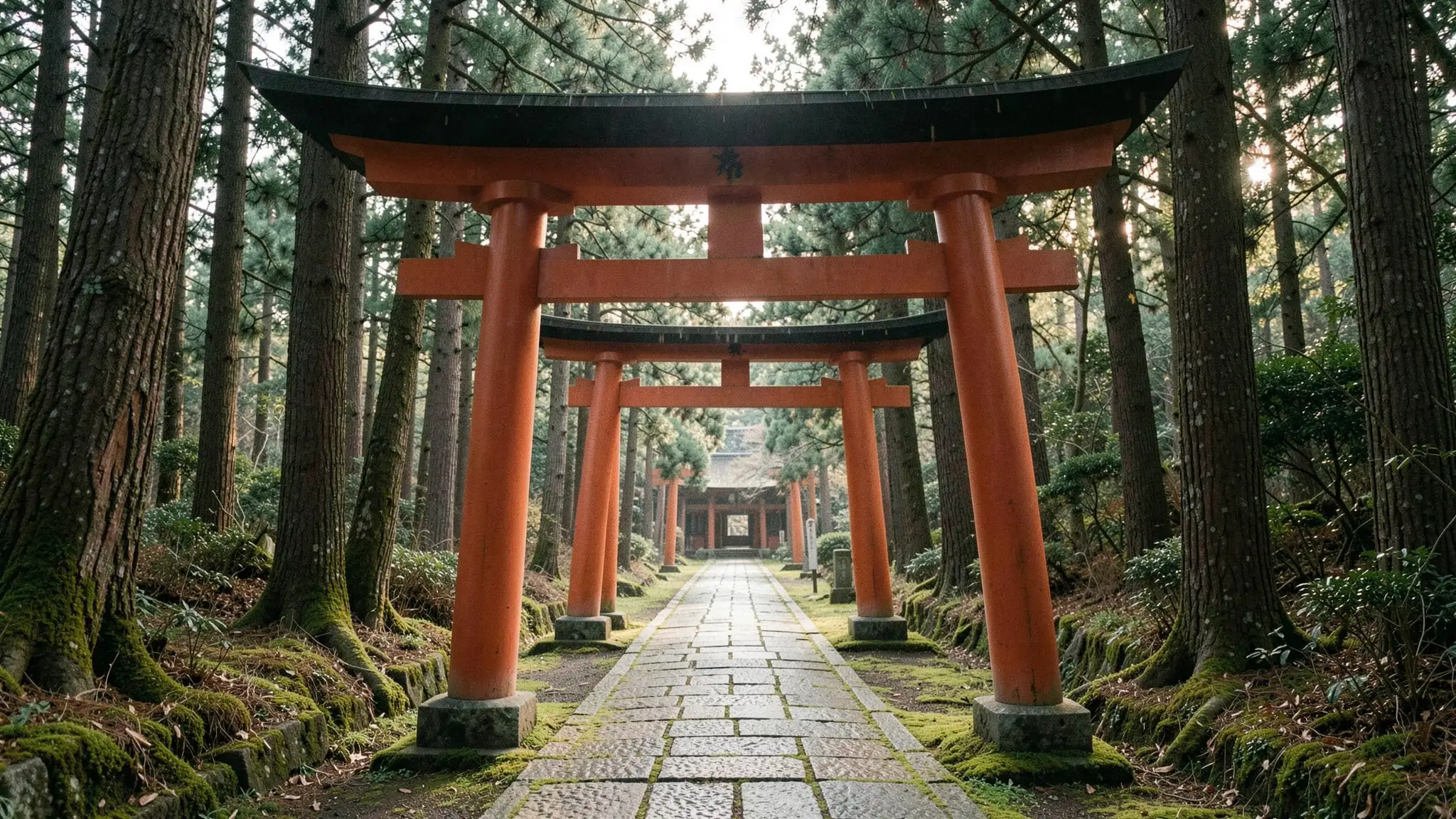
Walk Fushimi Inari’s torii tunnels at first light, when they are quietest, then head west to Arashiyama’s bamboo grove and Tenryu-ji’s garden. An evening stroll through Gion.
-
Day 4
Nara and Osaka
Take the train to Nara for Todai-ji and the deer park, then continue to Osaka for Dotonbori’s street food before flying out of Kansai or returning to Tokyo.
Sample plan · Deliberately brisk. Six or seven days lets Tokyo and Kyoto breathe. Adjust it with ATLAS
Rail and etiquette
Ride the rails like a local.
Japan’s trains are the easiest part of the trip once you know which ticket fits. Check current pass prices and rules before you buy, as they change.
-
IC cards for the city
A rechargeable Suica, PASMO or ICOCA card, or its phone-wallet version, pays for metros, local trains, buses and convenience stores. Tap in, tap out.
-
National pass or single tickets
The nationwide Japan Rail Pass rose sharply in price in October 2023, so it now pays off mainly on long multi-city loops. For Tokyo, Kyoto and Osaka alone, single Shinkansen tickets or a regional pass are often cheaper.
-
Nozomi needs a supplement
The fastest Nozomi and Mizuho services are not covered by the standard national pass without an extra ticket. Hikari trains are, and take only a little longer.
-
Big bags need a reservation
On the Tokaido, Sanyo and Kyushu Shinkansen, suitcases with total dimensions over 160 cm need a seat with an oversized-baggage area booked in advance.
-
Forward your luggage
Takkyubin delivery services send suitcases from hotel to hotel, usually by the next day, so you can ride between cities with a day bag.
Ryokan
A night on tatami slows everything down.
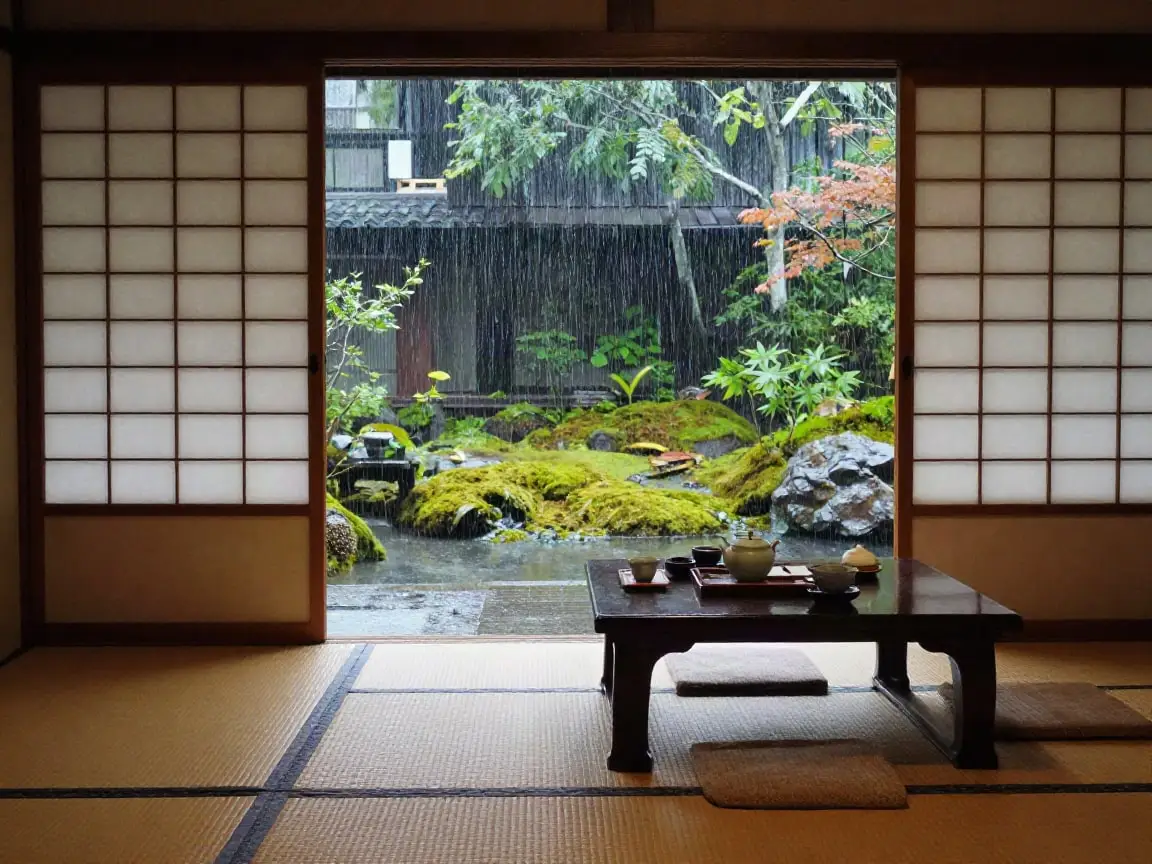
A ryokan is a traditional inn, and staying in one is less about the room than the rhythm. You arrive in the afternoon, change into a cotton yukata, bathe in the onsen and sit down to a kaiseki dinner of small seasonal courses. While you eat, staff lay out futons on the tatami.
Dinner and breakfast times are usually fixed, and many ryokans ask for dietary needs well in advance, so tell us early if you are vegetarian or avoid particular ingredients. Communal baths are taken unclothed and are usually separated by gender, with a private bath sometimes available to book.
Experiences
Small rituals to look for.
Japan is most memorable in the details: how a meal is served, how a bath is taken, how a bowl of tea is passed.
More experiences worldwide-
A ryokan night with kaiseki
Tatami rooms, a yukata to wear, an onsen bath and a seasonal multi-course dinner served in your room or a private dining space.
-
Fushimi Inari before sunrise
Thousands of vermilion gates climb Mount Inari. At dawn the lower trails are almost empty and the light is soft.
-
A tea ceremony in Kyoto
A host prepares matcha with precise, unhurried movements while a small group learns how to receive and turn the bowl.
-
The Shinkansen with an ekiben
Buy a regional boxed lunch at the station and watch the countryside pass at up to 285 km/h on the Tokaido line.
-
Tokyo’s market breakfasts
The Tsukiji Outer Market still serves sushi breakfasts and street snacks, while the wholesale fish market now runs at Toyosu.
Beyond Japan
- Dubai Best: November to March ≈ 3.5–4 h from Delhi
- Bali Best: April to October (dry season) Usually one stop
- Maldives Best: December to April ≈ 1–1.5 h from Bengaluru
- Ladakh Best: June to September ≈ 1 h 20 m from Delhi
- Switzerland Best: June to September; December to March ≈ 8.5–9 h from Delhi
Japan FAQ
What travellers ask about Japan.
How long is the flight from India to Japan?
Delhi to Tokyo is about 7.5 to 8 hours non-stop, and non-stop services also operate from some other Indian cities, mostly to Tokyo. One-stop routes via Singapore, Hong Kong or Bangkok add time but can open up Osaka (Kansai) as an arrival or departure airport. Japan is 3 hours 30 minutes ahead of IST, so many overnight flights land in the morning.
When do cherry blossoms bloom in Japan?
In Tokyo and Kyoto the blossom usually peaks in late March or early April and is at its best for about a week. It arrives earlier in the south, with Okinawa flowering from around January, and later in the north, with Hokkaido often in late April or early May. Forecasts are published early in the year and dates shift with the weather, so build some flexibility into a blossom trip.
Can vegetarians eat well in Japan?
Yes, with some planning. Many everyday dishes use dashi, a stock usually made from fish, so ask or carry a written card explaining your diet. Shojin ryori, the Buddhist temple cuisine served in Kyoto and at Koyasan, is entirely plant-based, and Tokyo and Kyoto have a growing number of vegetarian, vegan and Indian restaurants. Ryokans can often prepare vegetarian meals with advance notice.
Do I need cash in Japan?
Less than before, but carry some. Cards and mobile payments are widely accepted in cities, hotels and department stores, while small restaurants, rural shrines, temple entry and some buses may be cash only. Convenience-store ATMs, such as those at 7-Eleven, generally accept foreign cards.
How many days do I need for Tokyo and Kyoto?
Allow at least six to seven days for a comfortable first visit: three or four in Tokyo with a day trip to Hakone or Nikko, and three in Kyoto with a half day in Nara. The four-day plan on this page is deliberately brisk, for travellers who are short on time.
Plan Japan
Blossom, bullet trains, a quiet ryokan. Put Japan in order.
ATLAS finds flights and stays for your dates and suggests an order for your cities. A travel designer can then price a rail pass or single tickets for your route.